There are several reasons: 1. The poor adhesion to the substrate causes the delamination phenomenon, which usually occurs at the edges of the joint. 2. During the initial curing process of the sealant, the joint deforms excessively, resulting in cracks in the middle of the joint. 3. The thickness and width of the applied sealant do not meet the specification requirements. If the thickness is too thin or the contact width is too narrow, it will lead to damage or bond failure during use. If the thickness is too thin, it usually results in cracking in the middle. If the contact width is too narrow, it usually causes cracking on the sides. 4. Poor quality sealant (oiled sealant) was used. After a period of time, the sealant loses elasticity and cracks, and the cracks have no pattern.
Why do some window and door sealants crack after curing?
From a silicone sealant manufacturer perspective, sealant cracking after cure is often linked to adhesion issues, excessive early joint movement, improper joint dimensions, or unsuitable product selection, so troubleshooting should follow the project spec and product TDS.
Related Products
Recommended Sealants
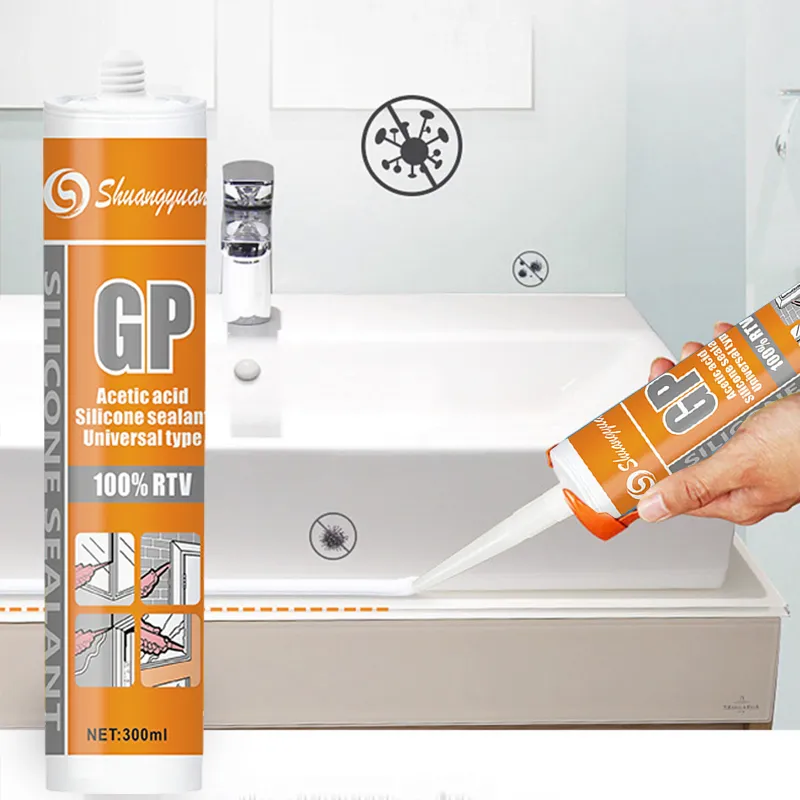
GP sealant
High elasticity and displacement capacity. After curing, it forms a flexible sealing layer, with displacement bearing capacity reaching ±
View Product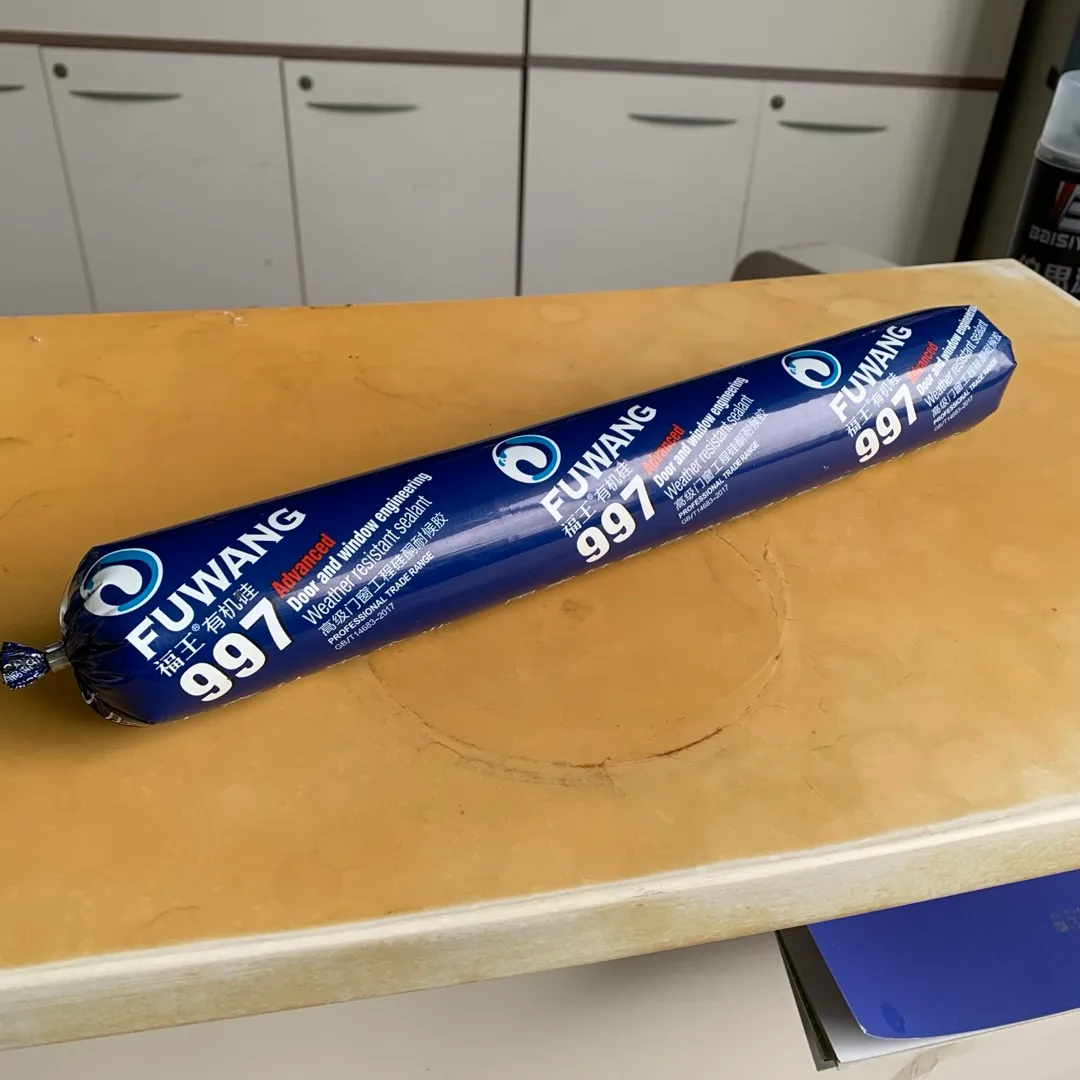
FUWANG 997
Excellent bonding performance, capable of resisting the erosion of natural environments such as ultraviolet rays, ozone, and rainwater, and remaining unchanged over a long period of use
View Product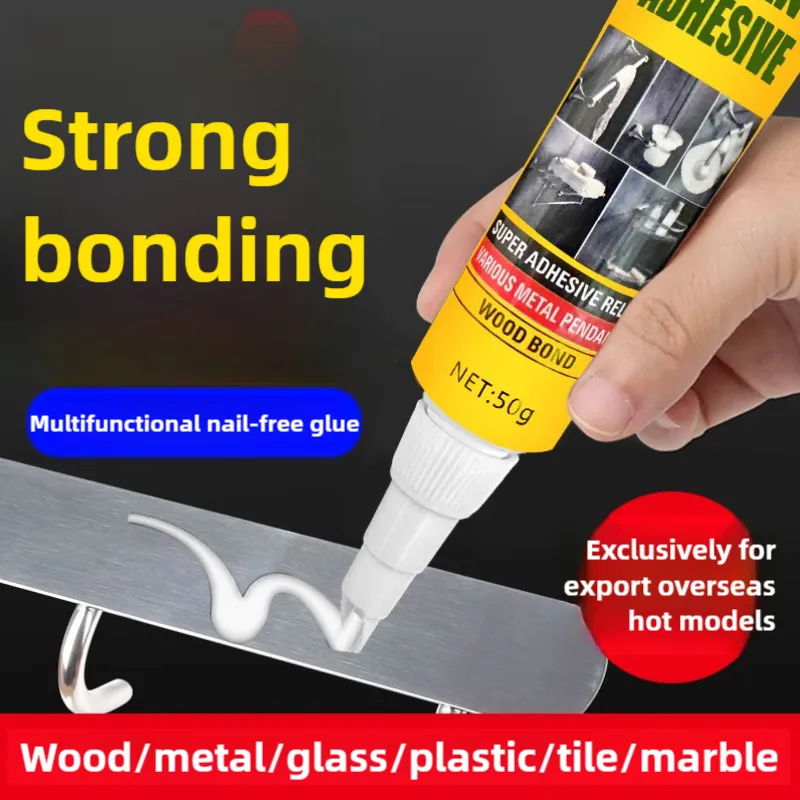
nail free adhesive
Super strong adhesion and high load-bearing capacity
View ProductNeed a custom sealant solution?
Get quotes, samples, or technical support from our team.