Skip to content

How to check the curing status and elasticity of single-component sealant?

June 1, 2025

For a simple on-site reference check, you can observe tack-free time, surface stickiness after initial cure, and basic elasticity. Results vary by product, joint thickness, temperature, and humidity, so always follow the product TDS and applicable test standards for formal evaluation.

How to check the curing status and elasticity of single-component sealant?

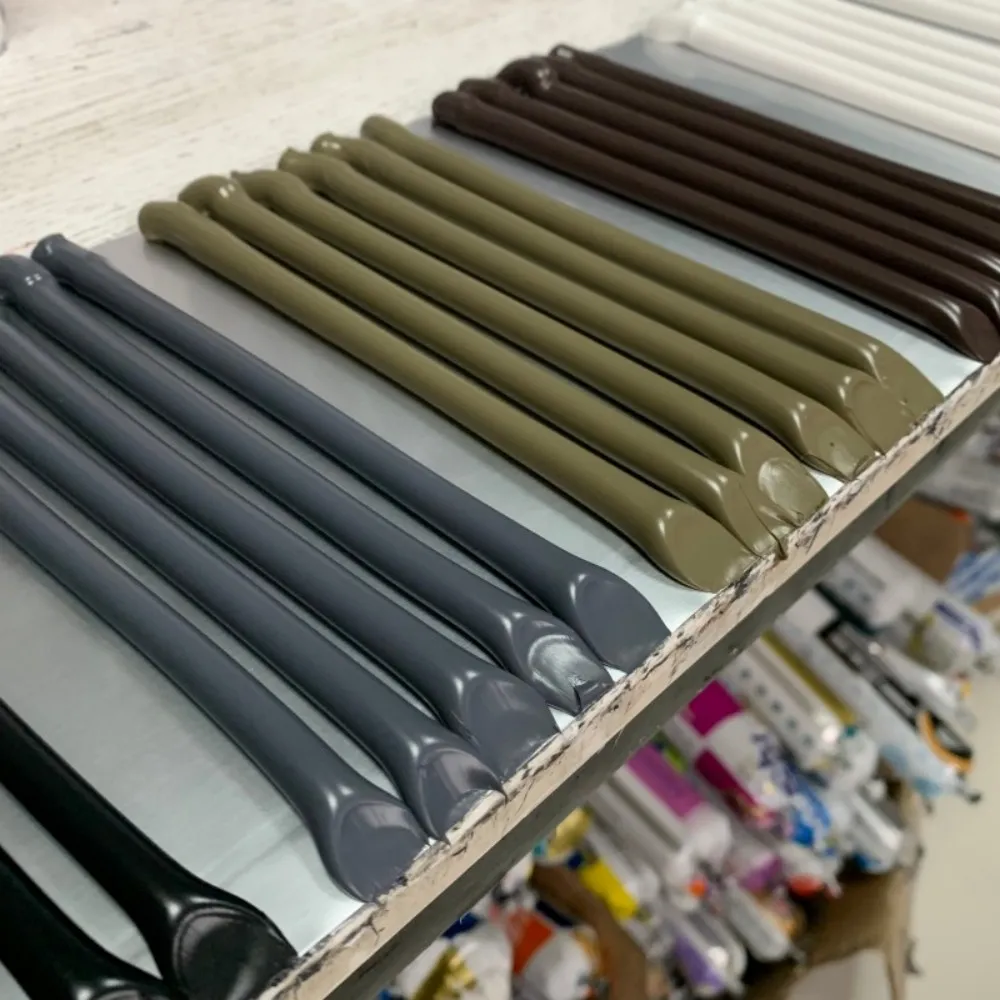
First, apply a sealant bead onto plastic film (or another non-stick surface).

Gently touch the bead at intervals (e.g., every 5 minutes). When it no longer sticks to your finger, record the time as a reference for tack-free (surface dry) time.

After an initial cure period (often around 24 hours, depending on conditions), lightly touch the surface to check whether it still feels tacky.

After further curing, you can do a simple elasticity check: slowly stretch a cured strip to about 100%, hold briefly (e.g., 5 seconds), then observe cracking and recovery.

These are reference checks only. For acceptance/quality judgement, use the product TDS and relevant standards, or consult the manufacturer.
How to check the curing status and elasticity of single-component sealant?How to check the curing status and elasticity of single-component sealant?How to check the curing status and elasticity of single-component sealant?
single-component silicone sealant silicone sealant curing tack-free time sealant elasticity silicone sealant manufacturer
Share this article